
Loading...
Serving Lathrop, CA and surrounding areas. (209) 308-1783
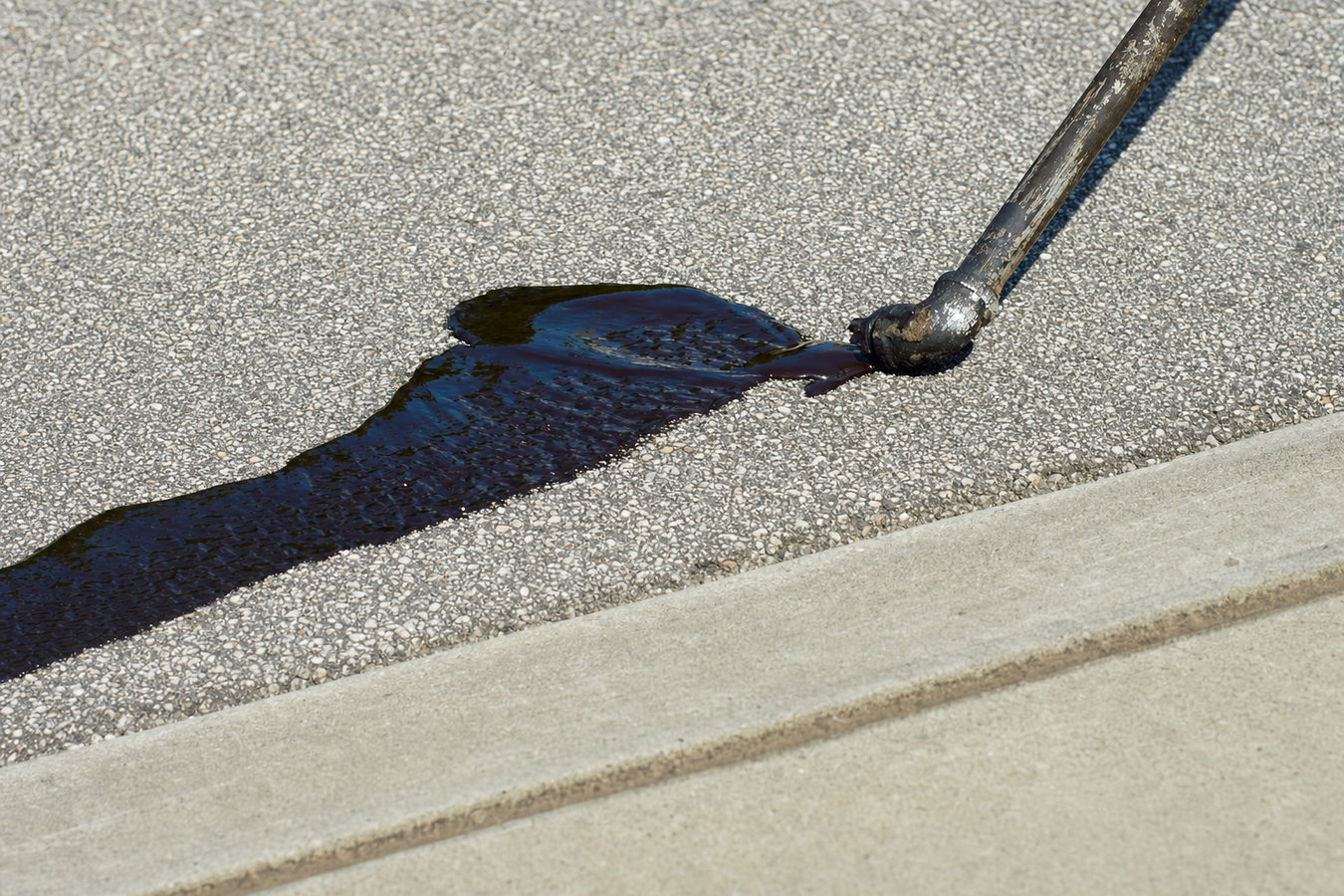
Cracks, potholes, and alligator sections do not fix themselves in this climate. We target the damaged areas, address the base where it matters, and use materials built for the Central Valley heat - so the repair actually holds.
Asphalt repair in Lathrop means cutting out or filling in the damaged sections of a driveway or paved surface and replacing them with fresh material that bonds to what is already there - most residential jobs take a few hours to a full day, and you can drive on the repaired surface within one to two days.
The key difference between a repair that lasts and one that fails in a season is what happens to the base before new material goes in. Lathrop sits on clay-heavy soils that swell with winter rain and contract in the dry summer heat. That ground movement is the root cause of most cracking in this area, and filling the surface without addressing base stability just delays the same problem by another year. If you are also dealing with small cracks that have not yet broken through to the base, pairing repair work with asphalt crack sealing is the most cost-effective way to protect the whole surface.
We serve Lathrop and the surrounding valley communities and can typically schedule a free on-site estimate within one business day of your call.
If cracks that were small last year are noticeably larger now, the surface is actively failing. In Lathrop's clay-soil environment, cracks often grow faster during dry summers as the ground beneath contracts. Catching them before water gets into the base is almost always cheaper than waiting until the damage goes deeper.
A hole or depression means the material has broken through or the base has shifted underneath. This is a safety hazard and will only grow with each car that crosses it. Base movement from expanding and contracting clay soils is a common cause of this type of failure throughout the Central Valley.
A grid or net-like pattern of interconnected cracks means the surface has lost its structural integrity in that area. A simple crack fill will not fix it - the section needs to be cut out and replaced. The sooner you address alligator cracking, the less it spreads to neighboring sections.
Asphalt that has turned gray and feels rough or crumbly underfoot has had its binder broken down by years of Central Valley sun and heat. The surface is now vulnerable to water intrusion and rapid further cracking. This is the time for repair and sealing, before damage goes through to the base.
Not every damaged driveway needs the same fix. We match the repair method to what the surface actually needs - whether that is filling isolated cracks before they spread, cutting out failed sections and rebuilding the base, or resurfacing a broader area that is worn but still structurally sound. If smaller surface cracks are the main concern, we can combine repair work with asphalt crack sealing to seal off vulnerabilities across the whole driveway in a single visit.
When damage is severe enough that repair is no longer the right answer, we will say so and explain why. Surfaces with widespread alligator cracking, repeated base failure, or significant drainage problems are often better served by full replacement. If you are facing that situation, we also handle pothole repair for immediate hazards while you decide on a longer-term plan.
Best for surfaces with isolated linear cracks that have not yet compromised the base underneath.
Suits areas with potholes, alligator cracking, or sections where the base has failed and needs to be rebuilt.
Ideal for driveways that are structurally sound but worn on top across a broader area than individual patching can cover.
For surfaces where repeated cracking in the same spot points to a base problem that needs to be addressed before any surface work holds.
Most general guides to asphalt repair are written for colder climates where freeze-thaw cycles are the main cause of cracking. That is not what is happening here. In Lathrop and the broader San Joaquin Valley, cracking is driven by heat, UV exposure, and the seasonal expansion and contraction of clay soils underneath the pavement. Standard repair approaches that work well in Sacramento or the Bay Area may not hold in a place where summer temperatures regularly push past 100 degrees and the ground shifts significantly between wet and dry seasons. Homeowners in Stockton deal with the same conditions, and we carry that local knowledge into every repair job throughout the region.
Timing also matters more here than in many parts of the state. Asphalt repair requires warm, dry conditions to bond properly, and Lathrop's long dry season from late spring through early fall is genuinely the ideal window. Rain can wash out fresh material before it sets, and late-summer heat means repairs stay soft longer before they can take traffic. Homeowners in Ripon face the same seasonal considerations, and we plan every job around conditions that give the repair the best chance to hold long-term. The Asphalt Institute provides technical guidance on repair methods and material standards that reputable contractors reference when selecting the right approach for local conditions.
We come to your property, walk the damaged areas with you, and explain exactly what type of repair makes sense - patching, resurfacing, or base work. Most residential estimates are free and you will hear back within one business day.
You receive a written estimate spelling out the scope of work, materials, timeline, and total cost. A trustworthy contractor will not pressure you to decide on the spot - take the time you need to ask questions and compare quotes.
The crew cleans damaged areas, cuts clean edges around sections being replaced, addresses base stability where needed, and compacts new asphalt flush with the surrounding surface. Most residential repairs are done in a single visit.
Fresh repairs need 24 to 48 hours before normal traffic - longer in summer heat. Avoid turning your wheels while stationary on new material for the first week or two. After the repair cures, sealing the whole surface protects both old and new asphalt.
We come to your property, walk the damaged areas with you, and give you a written quote - no pressure, no surprises, and we respond within one business day.
(209) 308-1783Filling a crack without stabilizing the base underneath means it opens back up the next season. We assess base stability before every repair so the fix actually holds rather than needing to be redone in a year.
Standard asphalt repair products can soften or fail in Lathrop's triple-digit summers. We use materials and mixes suited to extreme heat so patched areas do not go soft or rut during the hottest months of the year.
Some contractors will recommend a full replacement when targeted repairs would do the job, and others patch surfaces that need replacing. We walk every surface, explain what we see, and give you a straight answer about which option is the right call for your specific situation.
We work throughout Lathrop and neighboring communities, including both established neighborhoods near the I-5 corridor and newer developments where first-time homeowners are dealing with warranty-period surface issues for the first time.
California requires a valid state contractor's license for this type of work, and you can verify any contractor's license in about a minute through the Contractors State License Board. A legitimate contractor gives you their license number without hesitation and provides a written contract before anyone touches your driveway.
Sealing cracks before they spread is the most cost-effective way to extend the life of an otherwise sound asphalt surface.
Learn MoreFast pothole patching for driveways and private roads where base failure has created a hazard for vehicles and people on foot.
Learn MoreSmall cracks become expensive damage fast in the valley heat - call now and we will get out to take a look within one business day.